
EDITORS’ PICKS

The appetite for sports gambling will persist regardless of its consequences. However, litigation and public awareness should play a greater role in limiting the overreach of prediction markets and gambling companies.

Italy’s struggles are nothing new. Their recent loss marks their third-straight World Cup qualification failure despite a history as one of the most successful national teams in World Cup history. The turmoil has set off a string of administrative changes, including the resignation of Italy soccer federation president Gabriele Gravina and the removal of coach Gennaro Gattuso.
NATIONAL
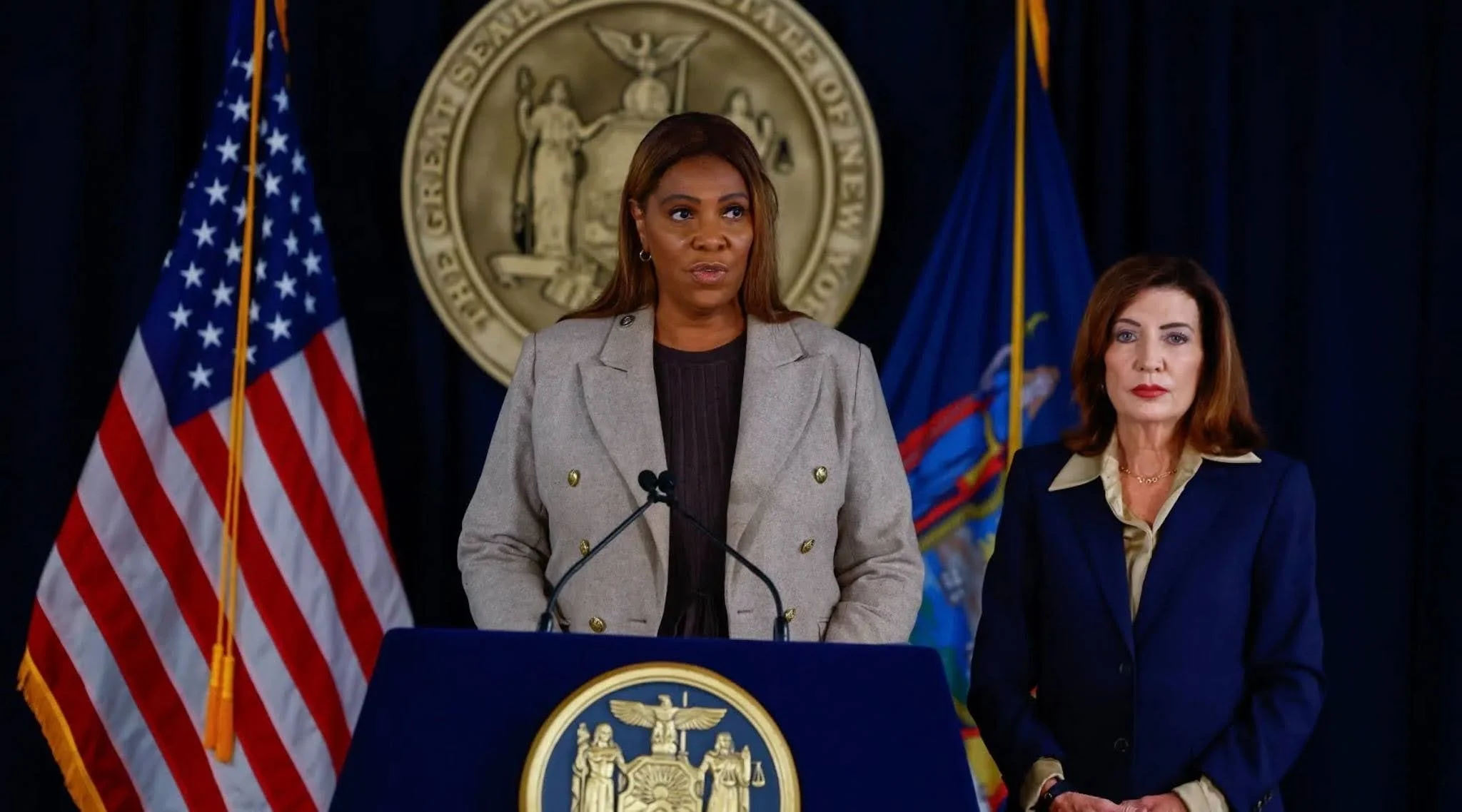
As the Attorney General digs deeper into old and new testimony alike, it is becoming clear just how poorly Jane Doe has been served by the justice system in her last experience with it. With her experience navigating many high-profile cases that tend to draw the media’s attention, James should be well prepared to handle the details of this investigation while under a major spotlight.
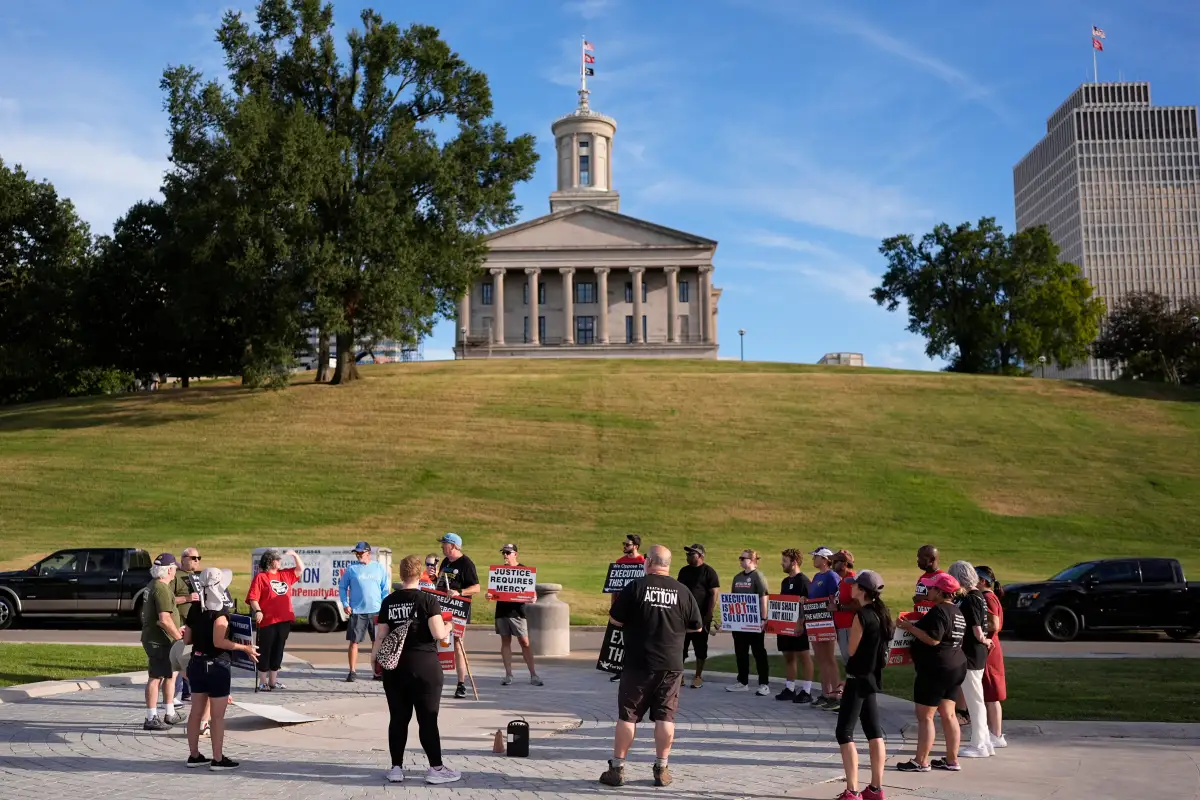
The second failed execution attempt in Tennessee this year has exposed the partisan debate over the morality of capital punishment. Botched executions, involving long stretches of pain, failures to insert IVs, and medical mistakes, have highlighted government officials’ decisions to continue the death penalty. Meanwhile, midterm candidates have placed themselves on opposing sides, clearly illustrating the partisan divide and ensuing polarization.
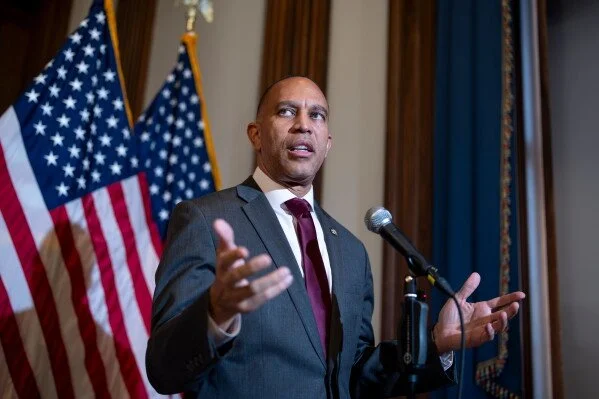
Congressional investigations into opposing-party presidents are not uncommon, but what distinguishes the current plans is the Democrats’ investigation and the polarization of modern American politics. A potential Democratic majority would therefore place these investigations at the intersection of two trends: Congress’s longstanding responsibility to oversee the executive branch and the growing partisan divide surrounding that responsibility.
OPINION

Demonstrators protesting Netanyahu’s presence in New York performed a sit-in on First Avenue in front of the UN Headquarters, shutting down traffic, leading to the arrest of 104 people on charges of disorderly conduct. Apparently, free speech only applies to those with an ICC warrant.
The appetite for sports gambling will persist regardless of its consequences. However, litigation and public awareness should play a greater role in limiting the overreach of prediction markets and gambling companies.

The controversy surrounding the Loop Tour has displayed, on a large scale, the struggle between artistic expression and current global issues, and has called into question the point of musical performance—should music constitute a neutral space where people from all backgrounds and ideologies come together, or do artists hold a responsibility to call attention to political issues?


LATEST
Demonstrators protesting Netanyahu’s presence in New York performed a sit-in on First Avenue in front of the UN Headquarters, shutting down traffic, leading to the arrest of 104 people on charges of disorderly conduct. Apparently, free speech only applies to those with an ICC warrant.
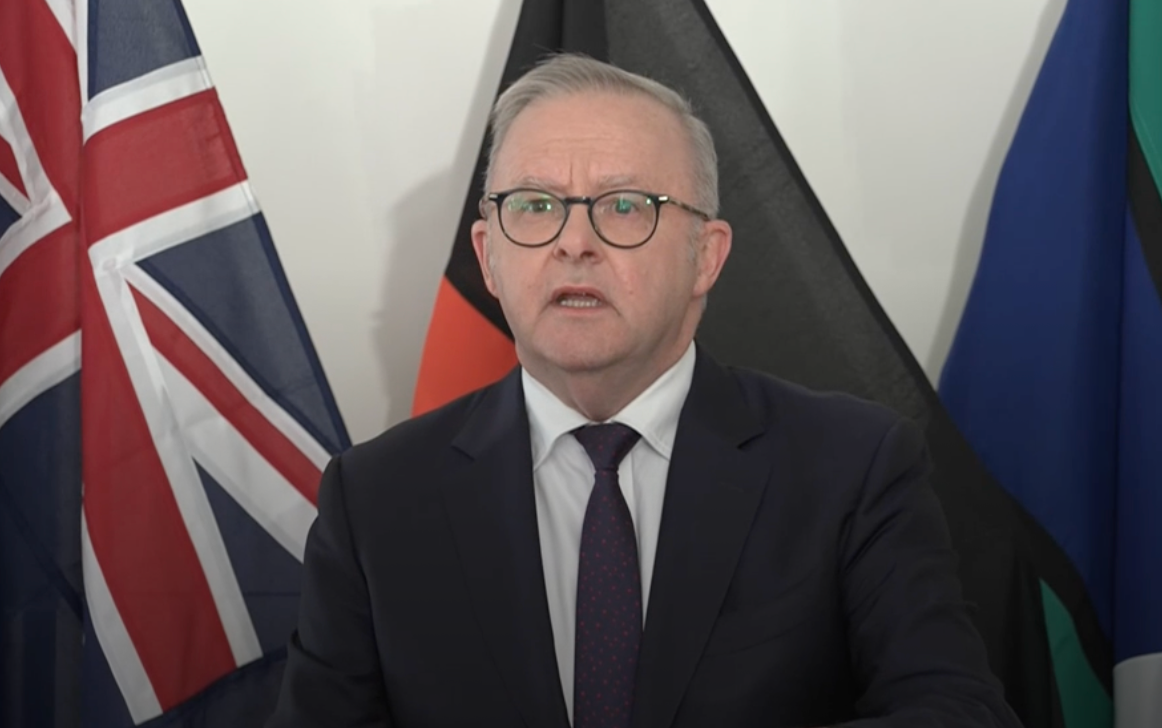
Nearly three months after a June attack involving OpenAI on the Australian Medicare website, the Australian government received a five-paragraph email from the company informing officials of the breach. Although the Australian government has promised to take further action, such as establishing task forces, rapid AI growth may be problematic as it continues to outpace regulatory defenses.
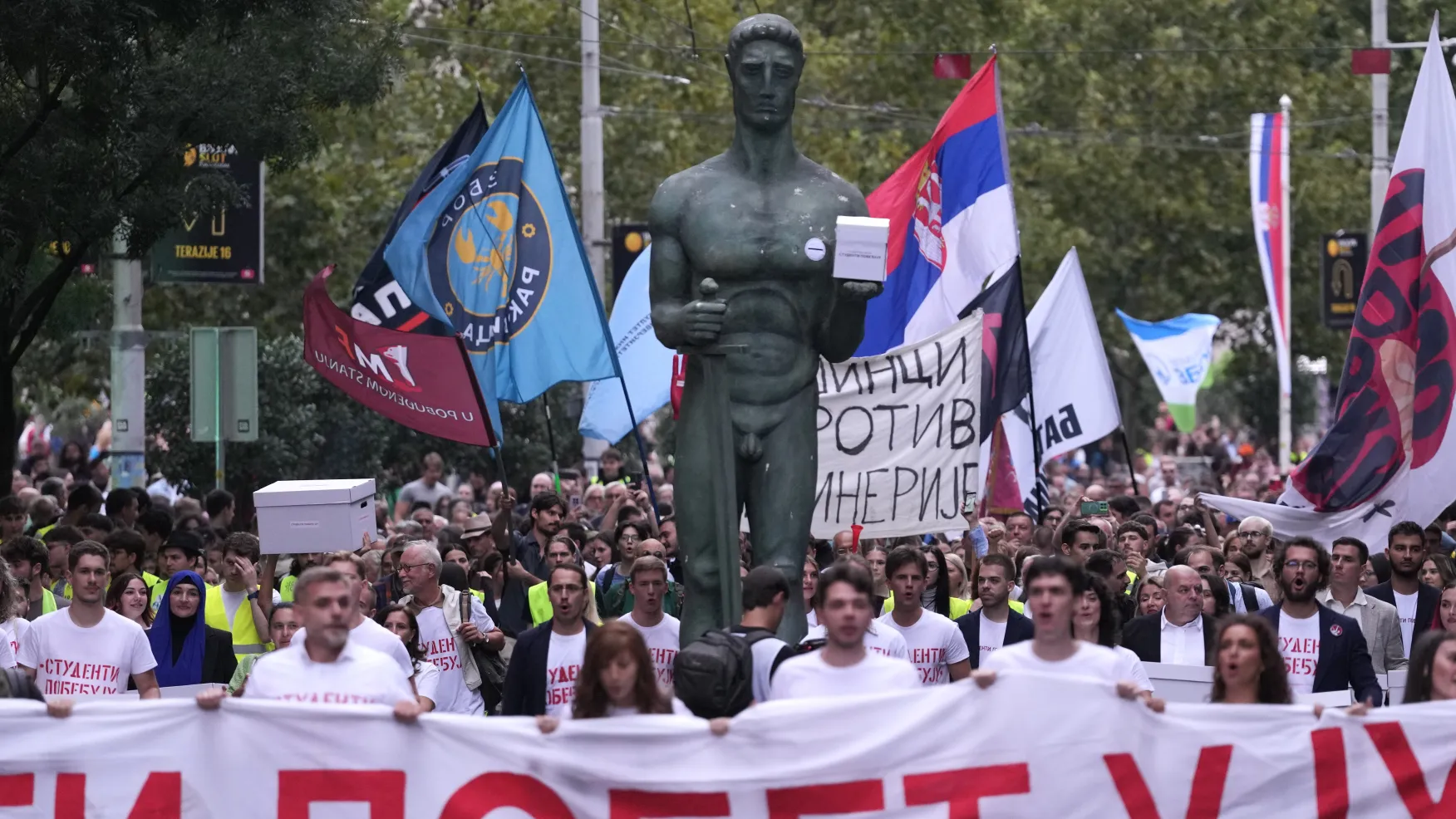
Early Parliamentary elections in Serbia are scheduled for October 25, 2026, and they could be among the most decisive in the country’s contemporary history. They will determine whether Serbia will join Hungary in reversing years of democratic backsliding or follow Georgia, where the ruling party has held on to power and consolidated its rule.
As the Attorney General digs deeper into old and new testimony alike, it is becoming clear just how poorly Jane Doe has been served by the justice system in her last experience with it. With her experience navigating many high-profile cases that tend to draw the media’s attention, James should be well prepared to handle the details of this investigation while under a major spotlight.
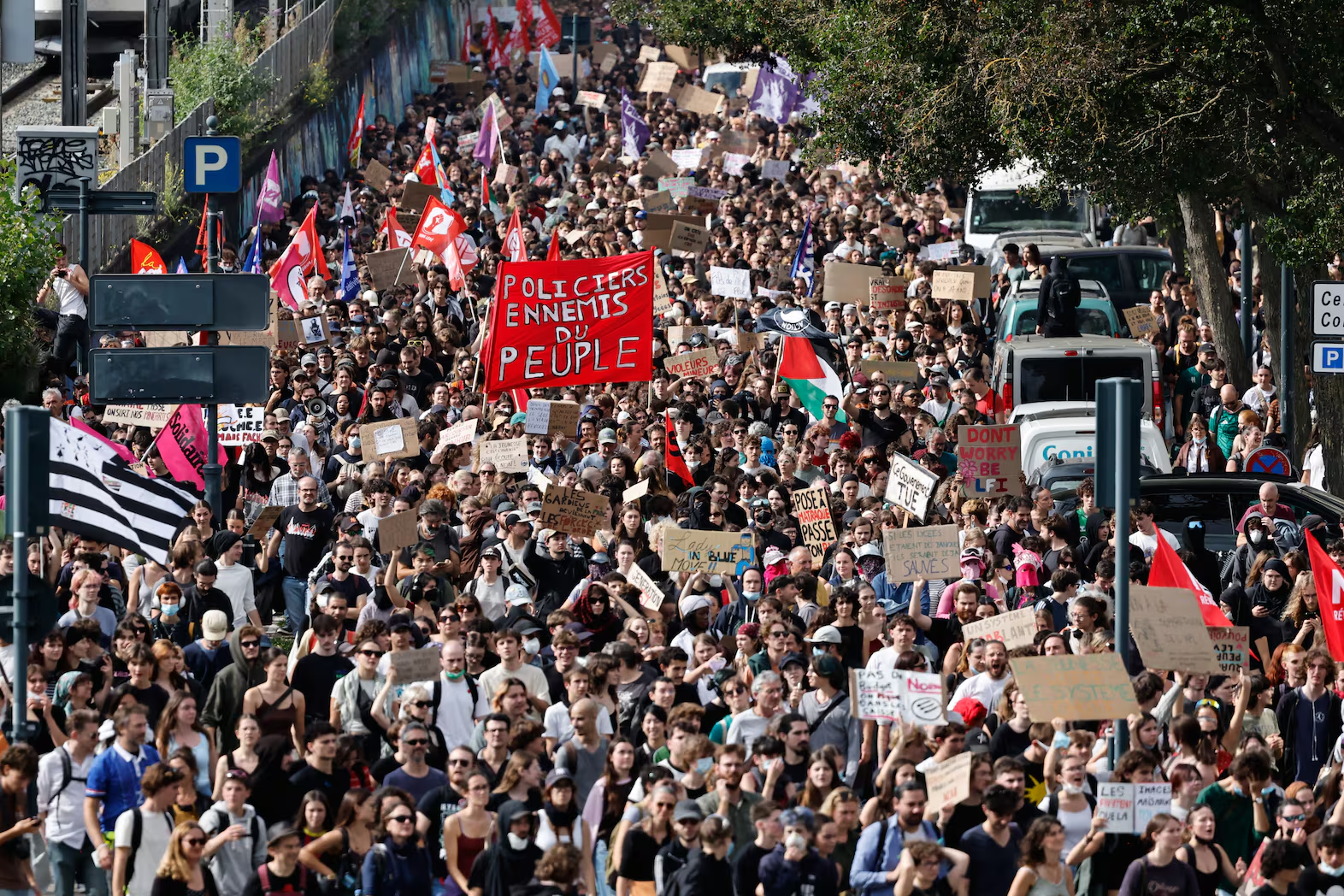
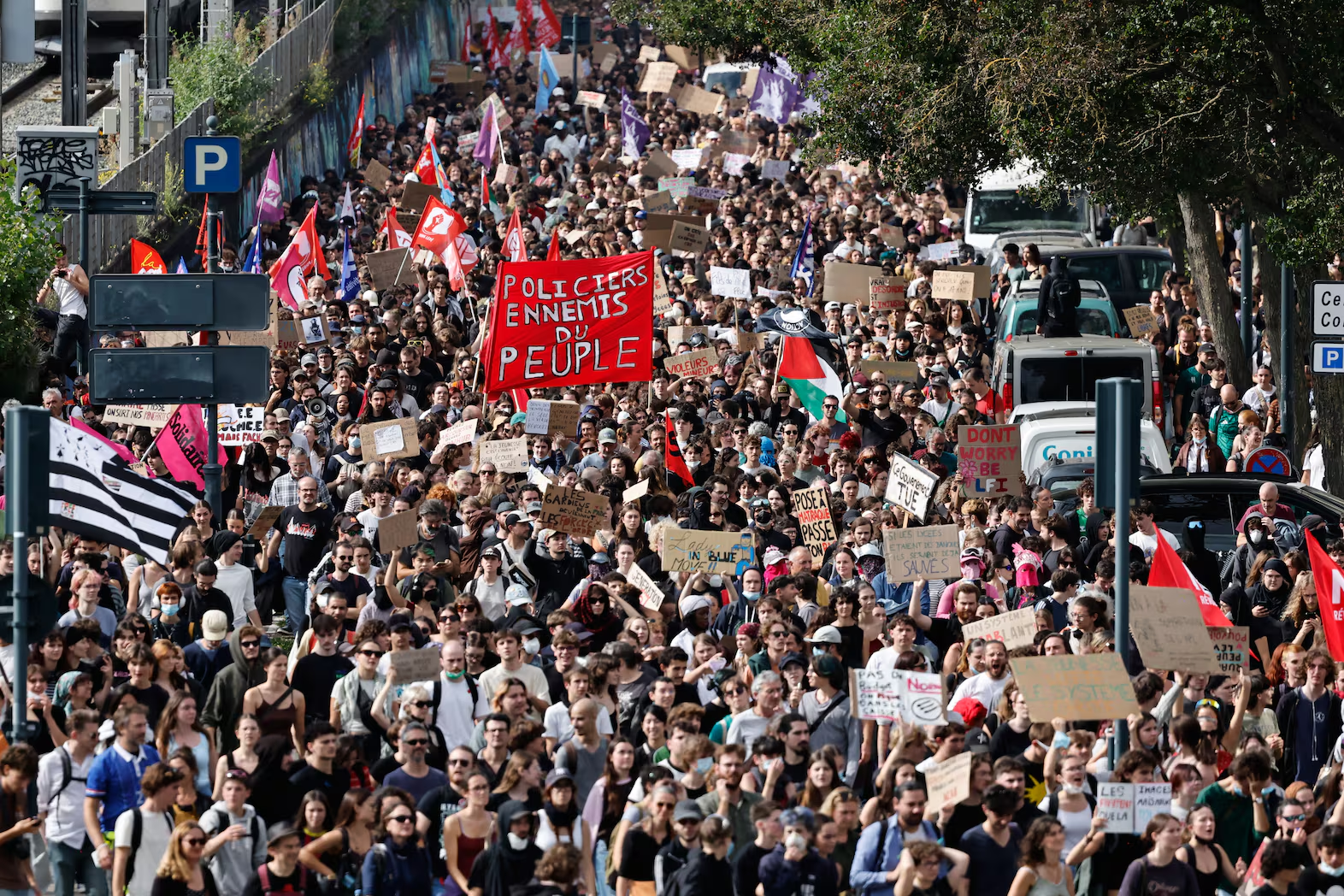
As the presidential elections approach, ongoing protests have provided candidates an opportunity to insert themselves into the public’s consciousness. After his appearance at a demonstration, Jean-Luc Mélenchon has become a contender in the elections. On the other side of the ideological spectrum, frontrunner Marine Le Pen of the far-right National Rally party has vowed a fiscal turnaround that would bring about 140 billion euros in savings by 2032, if elected.
DAILY
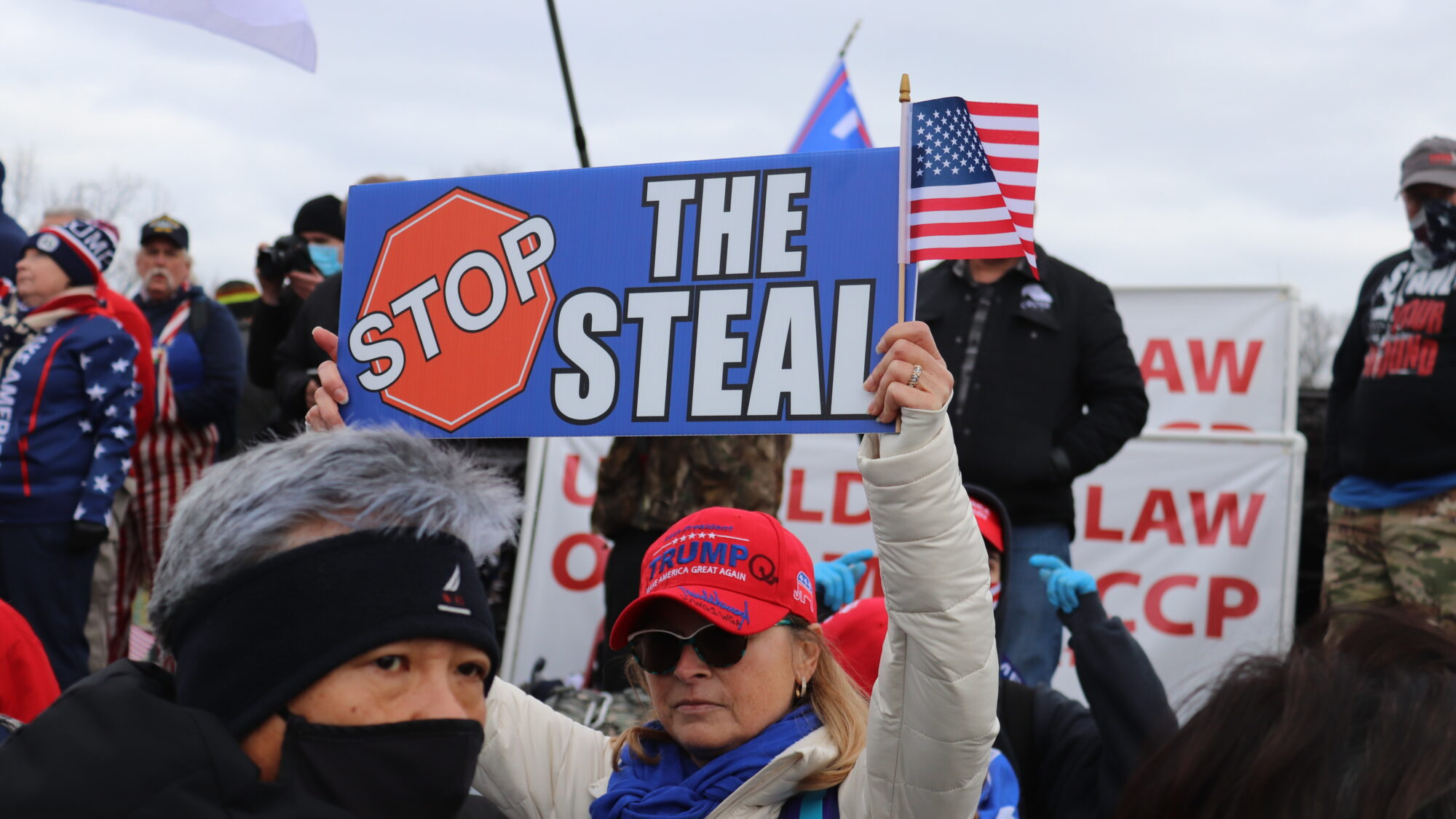
This escalation points to a structural feature that could be easy to overlook. Because the Constitution largely entrusts elections to the states, any federal effort would have to work through a patchwork of state systems, which can act as a built-in safeguard. That same decentralization complicates preparation, however, since one group member said officials told advisers they were concerned but did not know how to respond.

This distinction is important because the two groups pose different risks. The current strategy only works if the midterms are heavily dictated by base mobilization, which President Trump’s rallies certainly deliver. But a voter base that is split evenly on the president, especially during a time when voter perception of the economy has become a vulnerability, could deliver a less-than-certain turnout.
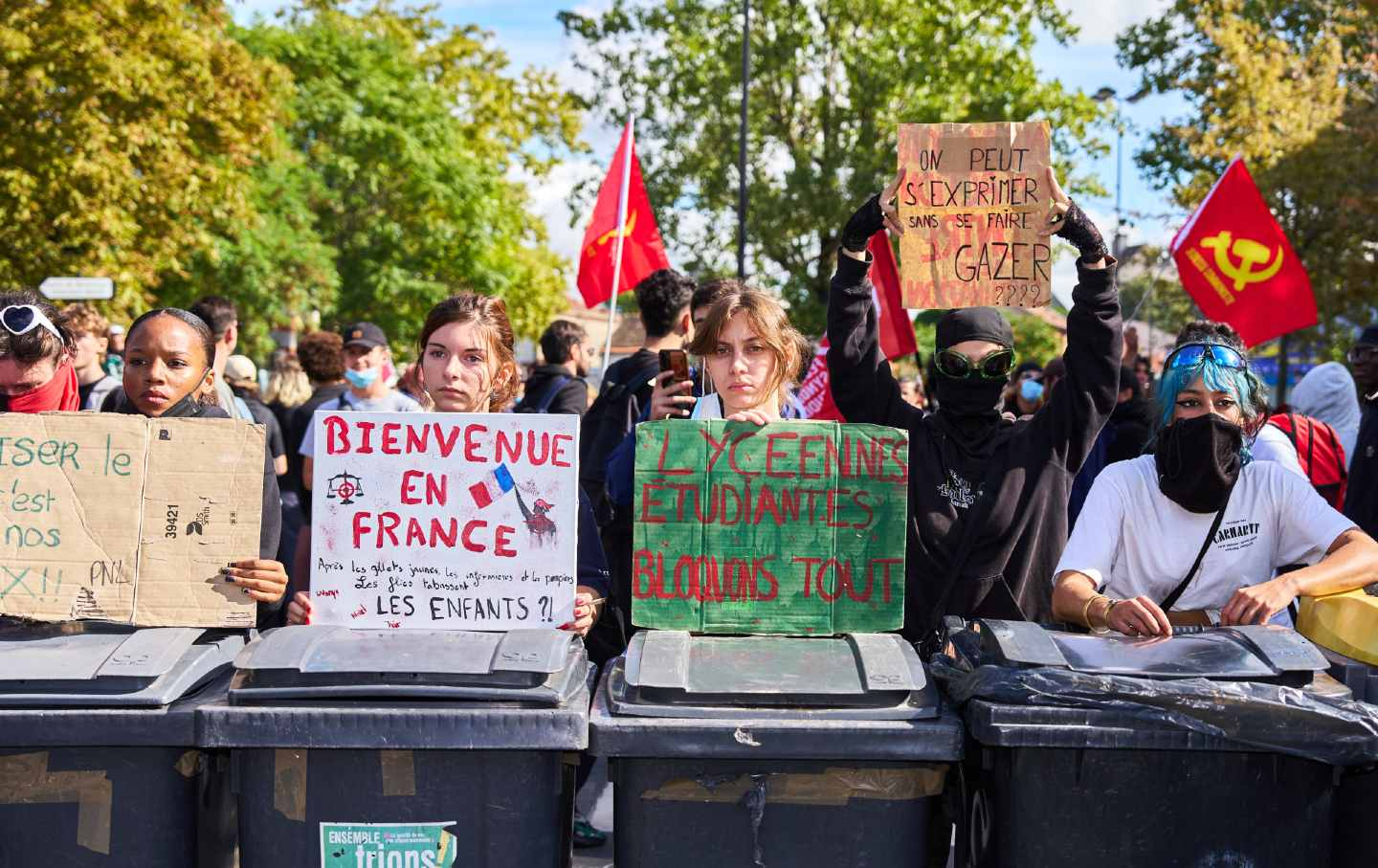
Prime Minister Lecornu is targeting cuts of around 54 billion euros, stating that without the cost-saving measures, the public deficit could approach 6.5 percent of GDP in 2027, much higher than the government's goal of 5 percent. Trade unions have responded to the budget proposal by protesting alongside students, calling for a strike ahead of the official announcement.
LOCAL
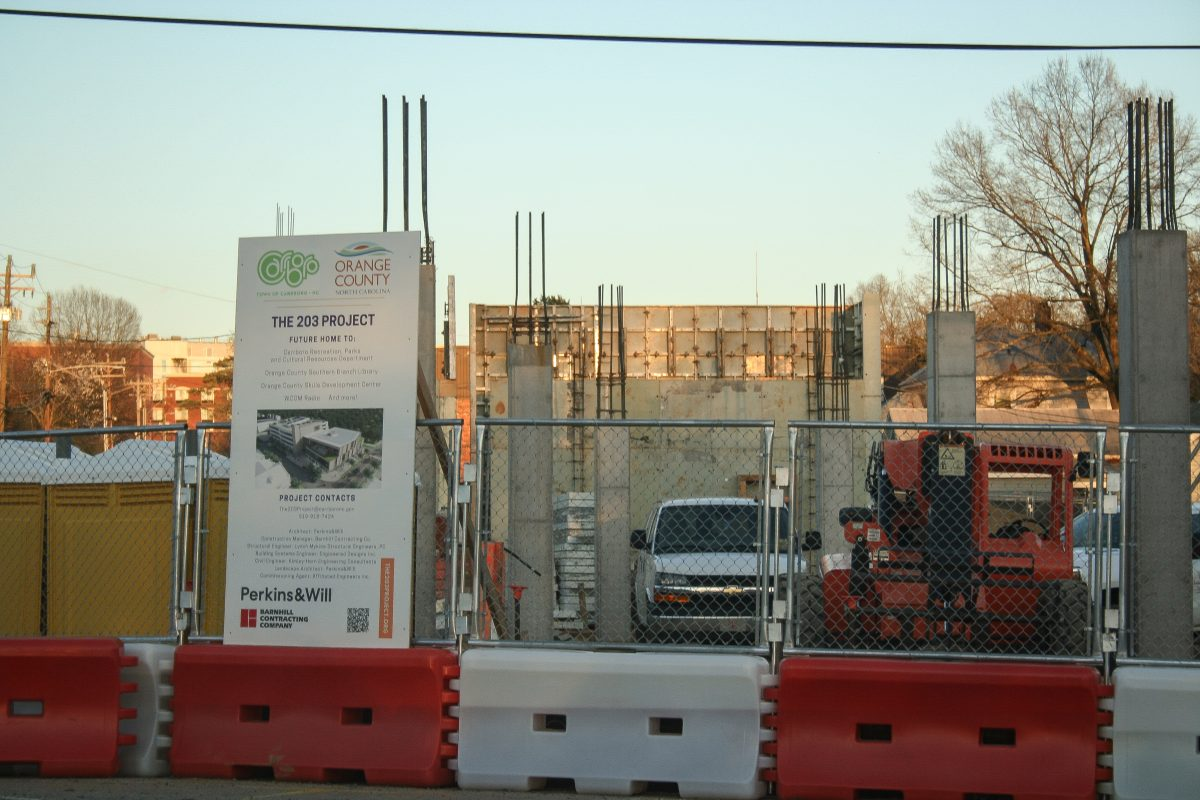
Carrboro’s effort to rewrite its housing development rules by pursuing a new Unified Development Ordinance (UDO) has raised an issue much larger than local zoning. Legal disputes with North Carolina state law and local goals have brought into the spotlight conflicts between how state and local governments decide how the community grows.

The proposed J Branch greenway trail would be approximately 11 miles long and built on a train line that still actively delivers coal to UNC’s Cogeneration Facility on Cameron Avenue. While the support for this trail is high, the line cannot be fully converted to a trail until UNC stops burning coal, and the timeline for that is unknown.

Students have criticized the response following the threat and have raised questions surrounding UNC-Chapel Hill’s lack of communication, including UNC-Chapel Hill not issuing an Alert Carolina, a campus safety system designed to alert students of threats on campus.
GLOBAL
Nearly three months after a June attack involving OpenAI on the Australian Medicare website, the Australian government received a five-paragraph email from the company informing officials of the breach. Although the Australian government has promised to take further action, such as establishing task forces, rapid AI growth may be problematic as it continues to outpace regulatory defenses.
Early Parliamentary elections in Serbia are scheduled for October 25, 2026, and they could be among the most decisive in the country’s contemporary history. They will determine whether Serbia will join Hungary in reversing years of democratic backsliding or follow Georgia, where the ruling party has held on to power and consolidated its rule.
As the presidential elections approach, ongoing protests have provided candidates an opportunity to insert themselves into the public’s consciousness. After his appearance at a demonstration, Jean-Luc Mélenchon has become a contender in the elections. On the other side of the ideological spectrum, frontrunner Marine Le Pen of the far-right National Rally party has vowed a fiscal turnaround that would bring about 140 billion euros in savings by 2032, if elected.
FELLOWS

Since World War II, the US and China have been the key players in the international system. The US-led reconstruction of Europe through the Marshall Plan shaped the world's order through security and containment approaches. China, during the late 20th century, began to grow as a new regional player. The first quarter of the 21st century has seen shifts in the balance of power. Will this be a zero-sum game between the two key players in the coming decades?
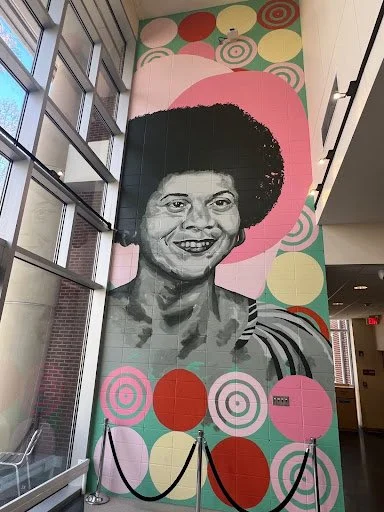
Non-violent resistance can be a muted reflection, standing in front of a mural at the UNC campus, reflecting all those moments of oppression, long before our generations, whose shoulders we stand on, who boldly and fearlessly gave their lives so we can breathe in a free society. All it takes is to stand in a moment of silence and reflection. Because someone, somewhere, stood in the face of oppression.
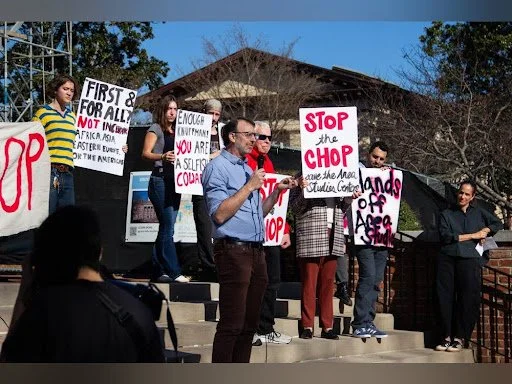
The proposed closure of study centers has mobilized both students and faculty members who are engaged in campus-wide activities such as student discussions, presentations, press conferences, and lobbying with a hope to garner more support, visibility, and demonstrate the impact of the study centers in a bid for the University to reverse its decision.

As the presidential elections approach, ongoing protests have provided candidates an opportunity to insert themselves into the public’s consciousness. After his appearance at a demonstration, Jean-Luc Mélenchon has become a contender in the elections. On the other side of the ideological spectrum, frontrunner Marine Le Pen of the far-right National Rally party has vowed a fiscal turnaround that would bring about 140 billion euros in savings by 2032, if elected.